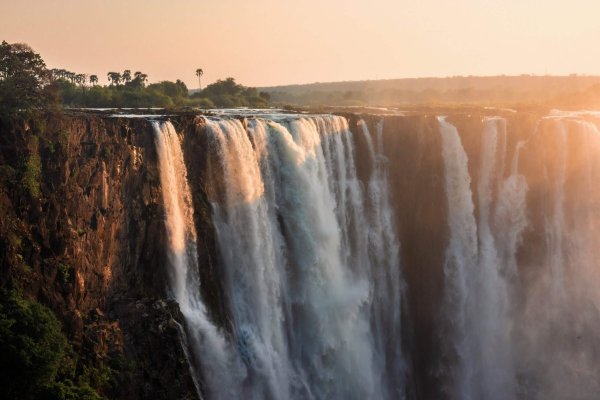
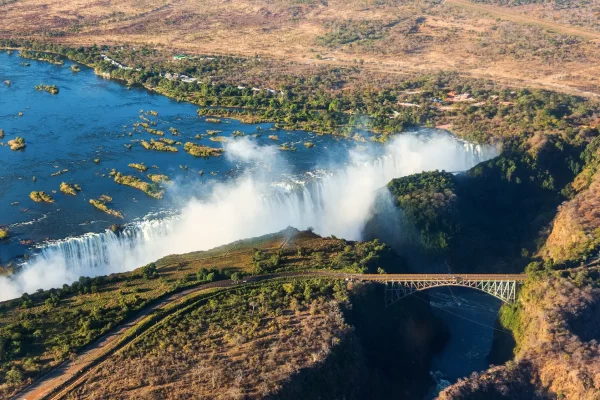
The Zambezi doesn’t care about borders; the river drops over 100 metres into Batoka Gorge whether you’re standing on Zimbabwean basalt or Zambian rock, and from above the whole curtain of water looks like one continuous wonder. However, on the ground, the two sides offer genuinely different experiences. The Victoria Falls Zambia or Zimbabwe question shapes your viewpoints, your activities, your evenings, and even your budget.
We’ve operated on the Zimbabwean Zambezi for over a decade, and we send guests across the bridge often enough to know both sides well. Here’s what we’ve learned.

Quick Verdicts by Traveller Type
First-timers wanting the iconic view: Zimbabwe. About 75 percent of the Falls face the Zimbabwean rim, with sixteen viewpoints along the rainforest trail. This is the panoramic, picture-postcard view side.
Adventure seekers chasing Devil’s Pool: Zambia, between mid-August and early January. The natural rock pool perched on the lip of the Falls only operates at low water, and it’s only accessible from Livingstone Island.
Best side for families: Zimbabwe, generally. Victoria Falls town is walkable, the rainforest path is flat and well-paved, and lodges cluster within a short transfer of restaurants, the park gate, and the Zambezi waterfront. Livingstone is more spread out and harder to navigate without transfers.
Couples after design-led stays and considered hospitality: Zimbabwe for sunset cruises, riverside dining, and small-group experiences. Zambia for fly-camp wilderness lodges along the Zambezi upstream.
Travellers combining the Falls with a safari: Zimbabwe pairs naturally with Hwange and Mana Pools, and with Chobe across the Botswana border. Zambia opens the door to Lower Zambezi and South Luangwa, both of which require fly-in access.
If you have three or four nights, the honest answer to which side of Victoria Falls is better is both.

Viewpoints and Crowd Levels by Season
This is where Victoria Falls Zambia or Zimbabwe really splits. Knowing what each season entails here might ease your decision-making.
February to July (high water): both sides are dramatic. The spray climbs up to 500 metres on a still day, and you’ll feel the ground tremble. Zimbabwe stays viewable across all sixteen viewpoints, though Devil’s Cataract and Main Falls disappear behind mist on the wettest weeks. Zambia’s Knife-Edge Bridge becomes a soaking but exhilarating walk almost inside the cascade. Bring waterproofs for exploring on both sides, but especially Zambia.
August to early November (low water): Zimbabwe holds steady. Main Falls and Devil’s Cataract keep their flow year-round on the western side. Zambia’s Eastern Cataract starts to thin, and by late October it can dry to bare rock. This is when Devil’s Pool opens, which is the trade-off.
Late November to January: the early rains return, water builds, the gorge greens up, and the rainforest trail on the Zimbabwean side fills with fern growth and birdsong. It’s our quietest, most photographable season.
Crowds: peak load on both sides falls in July through September throughout the mid-morning. Zimbabwe’s park feels busier because the trail is concentrated, but pathways spread guests across sixteen stops. Zambia’s shorter trail can feel more pinched at the Knife-Edge.

Activities: Devil's Pool, Sunset Cruises, Bush Dinners and Chobe
The Devil’s Pool viewpoints debate often misses the wider picture, both sides offer activities the other can’t.
Only on the Zambian side: Livingstone Island lunch (with access to Devil’s Pool) and microlight flights over the Falls.
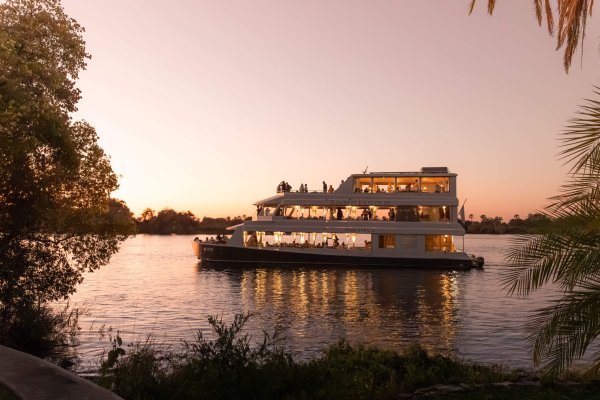
Only on the Zimbabwean side: Iconic restaurants along the river and gorges, dinner cruises on the upper Zambezi, bush dinners under stars, canopy walkways, zip-lining, and Zambezi National Park game drives.
Available from both sides: helicopter flights, white-water rafting in Batoka Gorge, bungee from Victoria Falls Bridge, and Chobe day trips. For Chobe, the Zimbabwean side is a simpler road transfer through Kazungula.

Where To Stay
Livingstone vs Victoria Falls town: Livingstone is larger and more residential. There are plenty of premium lodges that sit upstream along the Zambezi with a fly-in feel, twenty minutes from the Falls park gate by transfer. Victoria Falls town is smaller, walkable, and the park gate is a few minutes from the main hotels. The waterfront is reachable on foot from town, and dining options cluster tightly.
Visa and Border Basics: The KAZA Univisa
The KAZA Univisa costs USD $50 and gives you multiple entries between Zambia and Zimbabwe for 30 days. It also covers day trips to Botswana through the Kazungula border, which matters if Chobe is on your list.
Eligible nationals (around 65 countries, including most of Europe, North America, Australia, and New Zealand) can buy it on arrival at multiple designated airports in the surrounding area.
By comparison, a single-entry Zimbabwean visa runs around USD $30 and a single-entry Zambian visa is around USD $50. So if you’re crossing even once, the KAZA visa pays for itself almost immediately. Fees can vary depending on nationality, so please check with your national authorities first.
Frequently Asked Questions
Can you see both sides in one day?
Yes, comfortably. Most travellers spend the morning at one park, cross the bridge after lunch, and walk the second park before sunset. There is also the option to do both sides in the morning before lunch. The KAZA visa removes the friction. If you’re choosing only one and time is tight, default to Zimbabwe for the panoramic view.
Is the KAZA Univisa worth it?
For anyone crossing the border even once, yes. At USD $50 it costs about the same as a single-entry Zambian visa and just $20 more than Zimbabwean entry, with multiple crossings included for 30 days. Prices vary depending on your nationality so be sure to check first.
Which side has better cruises and dining?
Zimbabwe, in our honest assessment. The waterfront infrastructure on the Zimbabwean upper Zambezi is more developed than Zambia’s. Zimbabwe also offers more luxury cruises, dinner cruises, and restaurants.
The honest answer to Victoria Falls Zambia or Zimbabwe is that you don’t really have to choose. The bridge is short, the visa is one document, and the river belongs to neither side alone.