Is Victoria Falls a Good Destination for Families?
Victoria Falls works very well for families, but it helps to know what you’re walking into before you book.
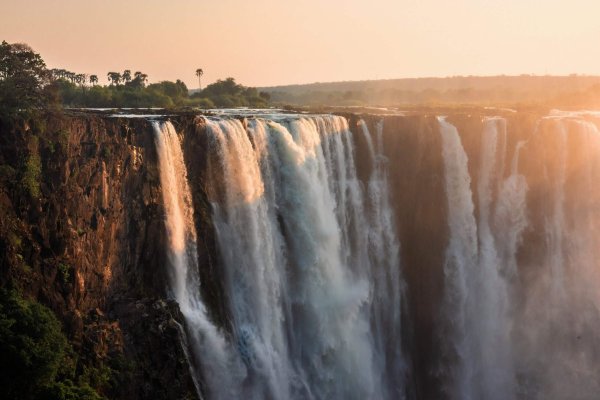
The Falls are a genuine spectacle rather than a staged attraction, so there’s no need to manufacture enthusiasm on behalf of kids: the noise, the spray and the sheer scale do that on their own. The town is small and manageable, lodges are used to accommodating children and most of the signature activities here have versions suitable for a family group rather than only solo travellers or couples.
What’s worth knowing is that this isn’t a resort destination where everything is softened for young children. The rainforest path is well maintained, but also wet, loud and can be slippery underfoot. Several of the activities that define a Victoria Falls itinerary, white-water rafting, bungee jumping, the gorge swing, are built for older children or adults and carry minimum age and weight requirements for good reason.
None of that rules a family trip out though: it just means matching the activities to the ages in your group. There’s definitely enough on offer – the Falls, the river, the wildlife – so that every age finds something to enjoy.
Best Things to Do in Victoria Falls with Kids
The rainforest walk to view the Falls is the obvious starting point and the one activity every family should do, regardless of age.
The path runs along the Zimbabwean side across sixteen numbered viewpoints, including Devil’s Cataract and the Main Falls, and most of it is flat enough for a pushchair outside the wettest months, though the first viewpoint, Cataract View, is down a steep flight of steps that isn’t pushchair-friendly.
Go early, bring a dry bag for cameras and phones and expect to get soaked at some viewpoints during the high water season between February and July, which for most children is part of the appeal.
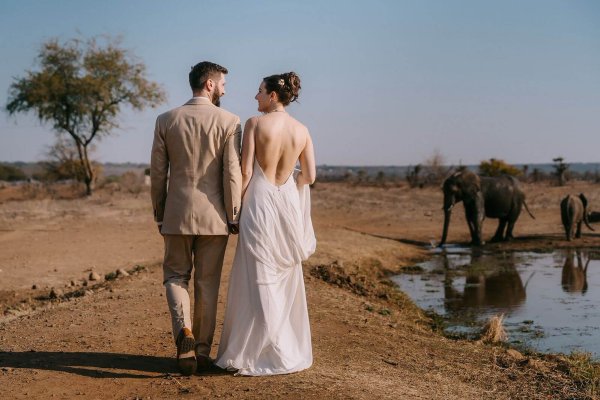
For wildlife, Pure Africa partners with Anantara Stanley and Livingstone for an open-vehicle safari on their private game reserve just ten minutes from the river, with elephant, zebra and giraffe sightings. It’s a shorter, easier outing for younger children than a full day trip out of town.
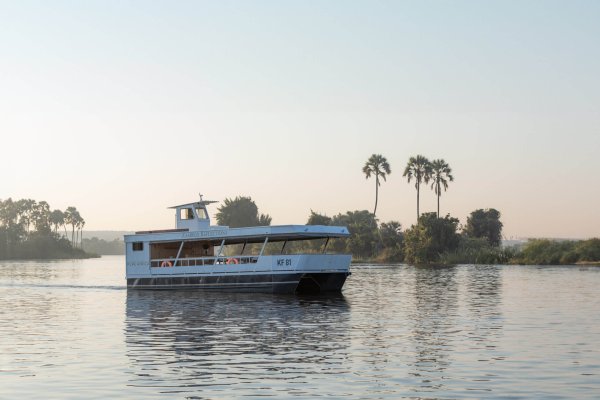
River cruises are another easy win with children of any age: a sunset cruise on the Zambezi involves no walking or heat exposure and enough going on such as elephants at the water’s edge and hippos surfacing mid-channel. Families who want a cruise with something more hands-on can also look at the Bubbles & Brushstrokes Art Cruise, which pairs the river with a guided art session.
For evenings, a boma dinner with a drum show gives families something with a bit more energy after a day of walking and heat, without needing to leave the lodge grounds.
The Pure Africa Rural Community Experience, run in partnership with Greenline Africa, is worth knowing about but is better suited to older children and teenagers than young ones. It’s roughly a 45-minute drive each way to the villages, and the visit, which includes an Early Childhood Development school and hands-on activities like tree planting, is built around understanding the concept of sustainability rather than looking at something. Children old enough to grasp that idea get far more from it than younger ones will.
Teenagers have the most options of any age group, since they can usually join the adult version of rafting, the gorge swing, zip-lining or the Victoria Falls Bridge bungee, provided they meet the operator’s minimum age and weight requirements. For some of the adrenaline activities, younger children who don’t meet the requirements on their own can still take part in tandem with a parent, but it’s worth asking about directly.

Which Victoria Falls Activities Have Age Restrictions?
Most of Victoria Falls’ adrenaline activities carry minimum age and weight requirements, and these vary by operator rather than following one set rule across the board.
White-water rafting is the most physically demanding of the lot and not suitable for everyone, which is part of why the limits exist.
The gorge swing, zip-lining and the Victoria Falls Bridge bungee jump all have their own cut-offs too, usually based on size and weight rather than age alone, so it’s worth checking directly with the operator before building a day around them rather than assuming.
Some of these can be done as a tandem, where an adult is harnessed together with a child for the same jump. On the bridge, that means the bridge slide and the bridge swing, and in the gorge, the gorge zipline and the gorge swing. Therefore, it’s worth asking about even if your child doesn’t meet the age or weight requirement on their own.
Whilst some activities aren’t appropriate for younger children, the rainforest walk, river cruises and the boma dinner and drum show work for any age.
Open-vehicle game drives are a slightly different case: many operators set their own minimum age, so it’s worth checking rather than assuming, the same as the adrenaline activities above.
The practical approach is to confirm restrictions when booking rather than on arrival, since requirements differ enough between operators that an activity ruled out at one may still be possible at another.
Should Families Visit the Zimbabwean or Zambian Side of The Victoria Falls?
For families, Zimbabwe is generally the easier side to base yourself on. Victoria Falls town is walkable, the rainforest path is a well-maintained gravel and earth trail and lodges cluster within a short transfer of restaurants, the park gate and the Zambezi waterfront.
Livingstone, on the Zambian side, is more spread out and harder to navigate without arranging transfers for every outing.
That doesn’t rule Zambia out entirely. Some families cross the border for a day to see the Zambian side of the Falls. Livingstone Island itself is reached by boat, not on foot, though most operators set a minimum age of around eight to visit the island and around twelve to swim at Devil’s Pool, which rules out very young children regardless.
For most families, the practical answer is to base yourselves in Victoria Falls, Zimbabwe and treat Zambia as an optional day trip rather than splitting the stay.

How Many Days Should You Spend in Victoria Falls with Kids?
Two days is enough for a relaxed visit covering the essentials: the rainforest walk on the first morning while everyone’s fresh and a sunset cruise the following evening, with downtime at the lodge in between.
Three days gives more breathing room and allows for one bigger excursion such as a safari drive, the art cruise or an evening boma dinner and drum show, without the whole itinerary feeling packed. Families with teenagers who’d rather use that extra day on the Rural Community Experience or an adrenaline activity have the room to do that too.
Whichever length you choose, balancing activity with downtime matters more here than in most destinations, since heat and the general stimulation of the Falls tire children out faster than a standard sightseeing day elsewhere.
Getting Around Victoria Falls with Children
Private transfers are the easiest way to move around with children and most lodges and tour operators arrange these as standard. Airport transfers from Victoria Falls International Airport into town take roughly 20 minutes, manageable even with a tired toddler at the end of a long flight.
Between activities, book transfers rather than relying on taxis found on the spot, particularly for early starts like a sunrise game drive. With younger children, it’s worth asking in advance whether a car seat is available, since not every operator carries one.

What Should Families Pack for Victoria Falls?
Lightweight, quick-drying clothing works best given the spray and heat for most of the year, alongside closed shoes with decent grip for the rainforest path, which gets genuinely slippery in high water season. A change of clothes kept in a dry bag is worth having for the walk, since even a short visit to the main viewpoints can leave everyone soaked.
Sun protection matters year-round, so hats, sunscreen and sunglasses for children should be non-negotiable, along with a lightweight rain layer between February and July.
Beyond clothing, insect repellent for evenings by the river and any specific medication or snacks your children rely on are worth packing from home.
Victoria Falls is a malaria area, so it’s worth speaking to a GP or travel clinic well before you go about antimalarials suitable for your children’s ages and weights.
Practical Safety Tips for Families Visiting Victoria Falls
Following park rules and your guide’s instructions is the single most important safety habit on a Victoria Falls trip, particularly around wildlife, where guides are reading animal behaviour that isn’t obvious to visitors.
The same applies to water: the Zambezi has strong currents and wildlife of its own, so swimming is only appropriate where a guide has specifically confirmed it’s safe.
Sun and heat are a more everyday risk than wildlife for most families, so regular water breaks and a sensible pace on the rainforest walk matter more than people expect.
Before booking any of the more physical activities, check the operator’s specific minimum age and weight requirements directly, since these vary between operators rather than following one universal rule.

Frequently Asked Questions
Is Victoria Falls suitable for children?
Yes. The rainforest walk, river cruises and a boma dinner and drum show all work well for children of any age. Wildlife experiences are usually fine too, though it’s worth checking age minimums for open-vehicle game drives specifically, and some of the more physical activities are built for adults and teenagers who meet minimum age and weight requirements, with a tandem option alongside a parent available for some.
What is the best age for children to visit Victoria Falls?
There isn’t a single best age. Toddlers and primary-school-age children do well with the Falls themselves and cruises, while teenagers get the most out of the trip since they can usually join adult activities like rafting or the gorge swing, and are old enough to get the most from the Rural Community Experience.
How many days should a family spend in Victoria Falls?
Two days covers the essentials comfortably; three gives room for one bigger excursion, such as the Pure Africa Rural Community Experience, without rushing.